Key Points:
- Autism is categorized into three levels based on how much daily support an individual needs.
- Understanding these levels helps parents provide the right environment and interventions for growth and independence.
- ABA therapy plays a vital role in helping children at every level build essential life, social, and communication skills.
When your child receives an autism diagnosis, it’s natural to feel a mix of emotions—relief from getting answers, but also uncertainty about what comes next. You may hear your clinician use terms like “Level 1,” “Level 2,” or “Level 3” autism and wonder what they really mean.
These levels, established in the Diagnostic and Statistical Manual of Mental Disorders (DSM-5), describe the degree of support a person may require in daily life. They help guide treatment planning and ensure that every child receives care that matches their individual needs.
This guide breaks down each level of autism in clear, parent-friendly language—explaining what it means for your child’s communication, learning, and independence, and how evidence-based approaches like ABA therapy can make a meaningful difference.
Understanding How Autism Levels are Determined
Before discussing the three levels, it’s important to know how these classifications are made. Autism is a spectrum, meaning every child experiences it differently. Some children might have strong verbal skills but struggle socially, while others may communicate primarily through gestures or assistive devices.
Core Diagnostic Areas
Professionals determine autism levels based on two primary domains:
- Social communication and interaction: How a child engages with others, uses language, and reads social cues.
- Restricted or repetitive behaviors: Patterns such as repetitive movements, intense interests, or sensory sensitivities.
Each domain is rated according to how much support the individual requires:
- Level 1: Requiring support
- Level 2: Requiring substantial support
- Level 3: Requiring very substantial support
These levels aren’t labels of potential—they’re tools to create personalized care plans that evolve as your child grows and develops.
Level 1 Autism: Requiring Support
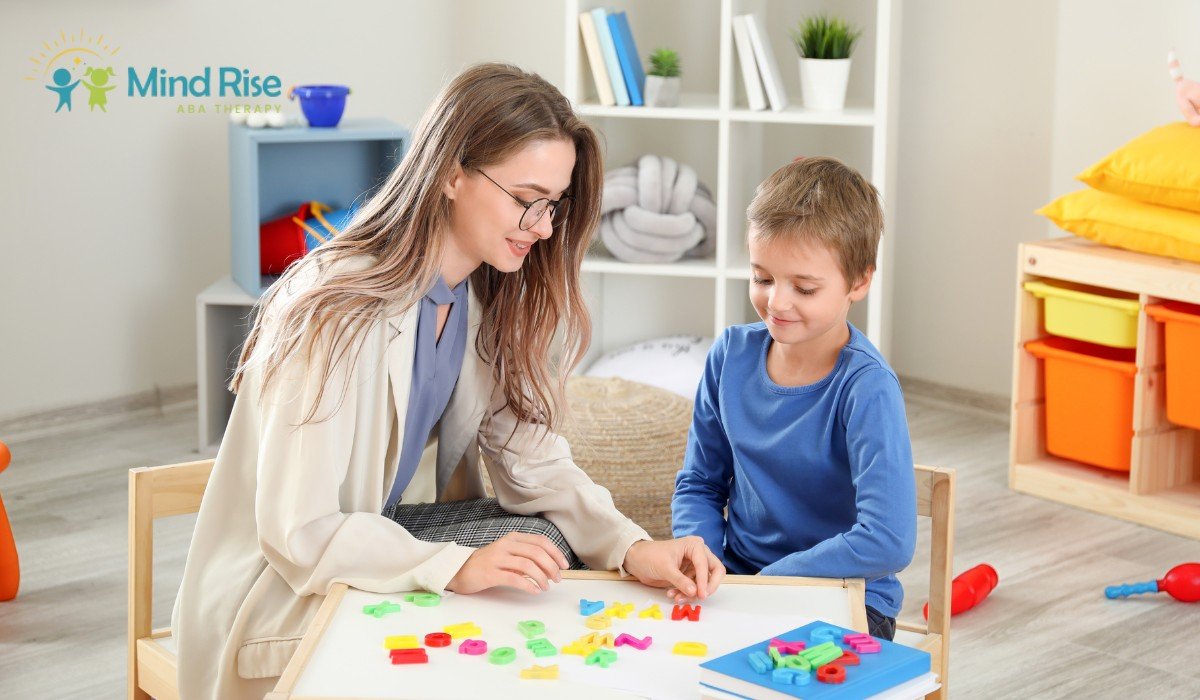
Children diagnosed with Level 1 autism often have average to above-average intelligence and strong language skills but may find social situations challenging. They can usually function independently yet struggle with flexibility and social understanding.
Common Signs of Level 1 Autism
- Difficulty starting or maintaining conversations.
- Prefers structure and predictability; resists unexpected changes.
- May appear socially awkward or struggle with humor and tone.
- Focused interests that dominate conversations or routines.
These challenges can affect relationships, school life, and emotional well-being—especially when misunderstood by peers or teachers.
How ABA Therapy Supports Level 1 Autism
ABA therapy can make a major difference by building confidence and adaptive skills. Therapists focus on:
- Social skill development: Teaching how to interpret facial expressions, share interests, and maintain conversations.
- Flexible thinking: Gradually introducing small changes in routines to help children adapt with less anxiety.
- Self-regulation: Identifying emotions and developing healthy coping strategies.
With the right balance of structure and encouragement, many children at this level gain greater independence and social confidence.
Level 2 Autism: Requiring Substantial Support
Children with Level 2 autism need more noticeable support across daily settings. Communication and social interaction can be limited, and they may rely on routines to feel secure. Shifts in environment or schedule often lead to distress or behavioral challenges.
Key Characteristics of Level 2 Autism
- Communication challenges: Speech may be limited to short phrases or specific requests.
- Rigid routines: Difficulty adapting to new environments or changes in plans.
- Social struggles: Limited eye contact, reduced social interest, or challenges with understanding social norms.
- Repetitive behaviors: Rocking, hand-flapping, or vocal repetition may be common.
- Sensory sensitivities: Overreaction to loud noises, bright lights, or certain textures.
How ABA Therapy Helps at Level 2
ABA therapy provides a structured, positive-reinforcement model to help children develop communication and self-help skills.
ABA Strategies for Level 2 Autism
- Functional Communication Training (FCT): Teaching children to communicate needs through speech, gestures, or AAC devices.
- Behavioral intervention plans: Addressing triggers for challenging behaviors with replacement strategies that promote calm and cooperation.
- Social-emotional learning: Using visuals, stories, and guided practice to build empathy and social awareness.
- Parent involvement: Training caregivers to reinforce new skills and consistency at home.
With steady, individualized support, many children at this level can make progress in language, social, and adaptive behaviors—improving their confidence and ability to navigate daily routines.
Level 3 Autism: Requiring Very Substantial Support
Children with Level 3 autism need significant, ongoing help in communication, behavior, and self-care. Many are nonverbal or minimally verbal, relying on alternative communication systems such as sign language, picture cards, or speech-generating devices.
Common Challenges Seen in Level 3 Autism
- Limited or no spoken language.
- Extreme difficulty adapting to changes in environment or routine.
- Intense repetitive behaviors or self-stimulatory actions.
- Heightened sensory sensitivities to light, sound, or touch.
- Difficulty understanding or expressing emotions.
Despite these challenges, children with Level 3 autism can learn and grow when therapy is tailored to their strengths—such as visual learning, sensory play, and predictable routines.

Supporting Level 3 Autism Through ABA Therapy
ABA therapy provides a structured, compassionate approach to help children gain essential life skills step by step.
Core ABA goals for level 3 autism:
- Alternative communication methods: Using PECS or speech-generating devices to express needs and reduce frustration.
- Daily living skills: Teaching tasks like brushing teeth, dressing, and mealtime routines through visual prompts and repetition.
- Behavior reduction plans: Identifying triggers for self-injury or aggression and replacing them with safer, functional responses.
- Structured play and engagement: Using sensory-based activities to promote attention, connection, and enjoyment.
- Collaborative care: Coordinating with parents, teachers, and therapists for consistent support across home and school.
Small victories—such as independently requesting an item or completing a routine—represent meaningful progress toward independence.
How Parents Can Support Their Child Across All Levels
Understanding your child’s autism level gives you insight, but progress depends on consistency and encouragement from both therapy and home life.
Practical steps for parents:
- Work closely with your therapy team: Learn the strategies being used so you can reinforce them at home.
- Celebrate every success: Progress might come in small steps—recognize and encourage them.
- Build structure and predictability: Visual schedules and routines reduce anxiety and help children understand what to expect.
- Encourage communication in all forms: Gestures, pictures, or devices are valid ways to express needs and feelings.
- Take care of yourself, too: Parenting a child with autism can be emotionally and physically demanding. Support groups or respite care can make a big difference.
When therapy and home support align, children are more likely to generalize skills and make steady progress.
The Role of ABA Therapy in Building Growth and Independence
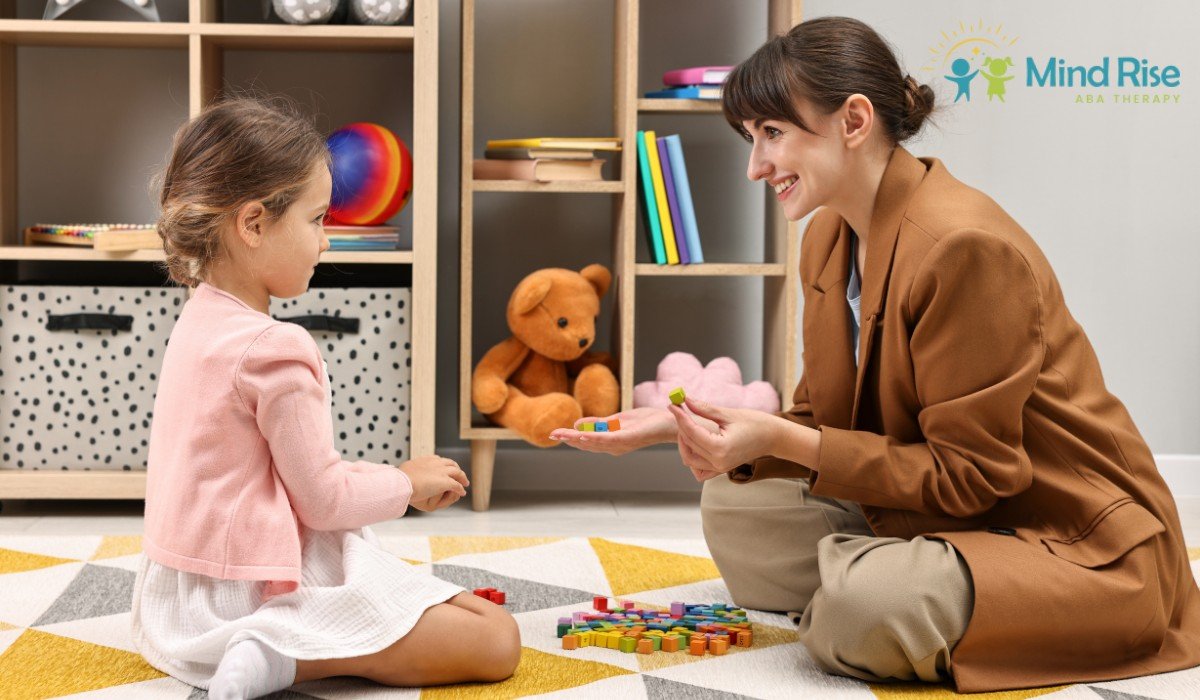
Regardless of autism level, ABA therapy remains one of the most effective, evidence-based methods for helping children learn, communicate, and thrive. It focuses on individualized goals and positive reinforcement, allowing children to build meaningful, lasting skills.
At Mind Rise ABA, we create personalized programs that address your child’s unique strengths, challenges, and goals. Our dedicated team focuses on functional outcomes—whether that means improving communication, fostering independence, or enhancing social connections.
Through consistent, compassionate care, we help families create environments where children can reach their fullest potential.
Contact us today if you’re looking for ABA therapy in Virginia. Together, we can help your child develop confidence, independence, and the skills needed to navigate the world with greater ease.