Key Points:
- ABA therapy in Virginia supports social skills for quiet or shy children by breaking interactions into small, teachable steps and practicing them in real-life settings.
- Programs focus on greetings, turn-taking, coping with anxiety, and reading cues.
- These programs give children the tools to connect confidently with peers at home, at school, and in the community.
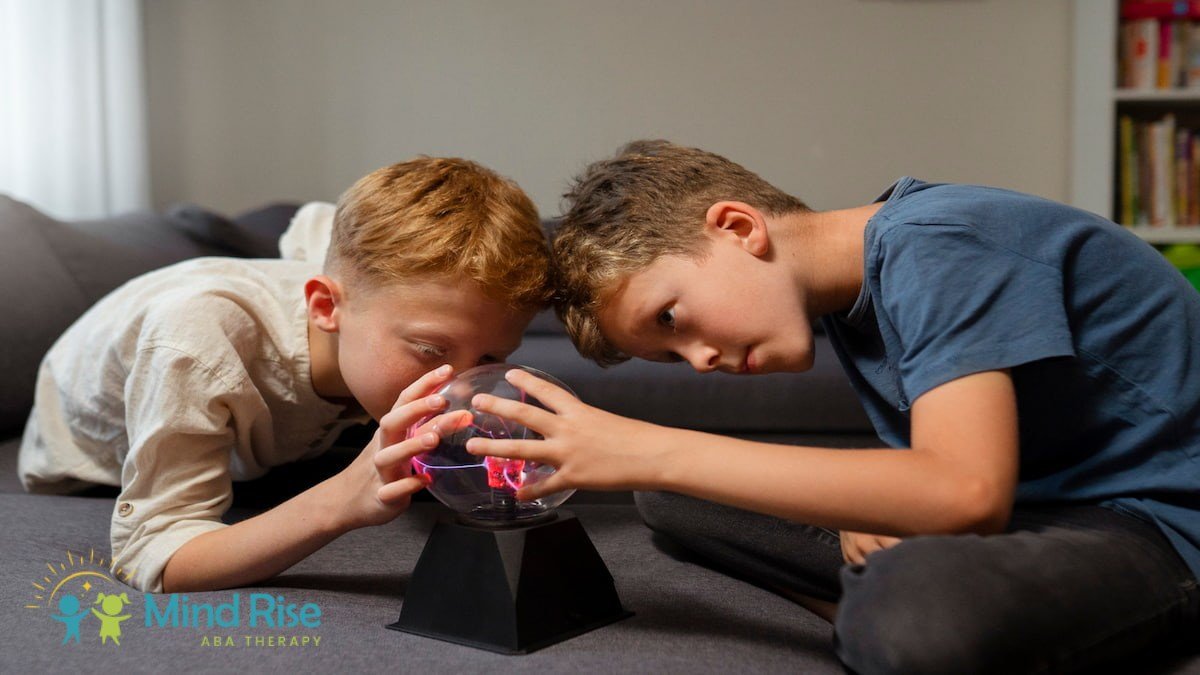
When a child hangs back at birthday parties or whispers answers in class, parents worry about friendships. Social situations can feel loud, fast, and confusing for quiet or shy kids, especially when autism or social anxiety sits underneath the surface.
ABA therapy in Virginia gives families a structured way to understand what is happening, break social skills into smaller parts, and practice them in real life. Families reading about social support want more than theory, so the sections below focus on what actually happens, what research says, and how parents can be part of the process.
Why Do Quiet or Shy Kids Need Extra Social Support?
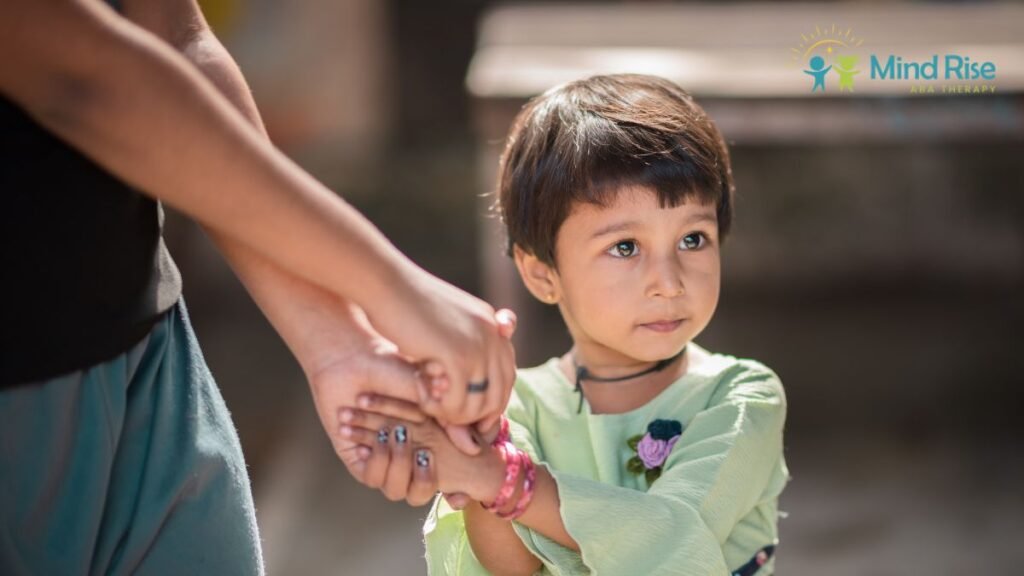
Quiet behavior can look gentle on the outside while feeling tense on the inside. Some children want to join in but freeze when many eyes turn their way. Others stay silent because they are unsure how to start, keep, or repair a conversation.
Autism is now identified in about 1 in 31 children in the United States, and social interaction challenges form a core part of that diagnosis. That means many children who seem shy may actually be working through neurodevelopmental differences that shape how they read social cues.
Rates of social anxiety in children and teens are also significant. A recent global review estimated that 4.7% of children and 8.3% of adolescents live with social anxiety disorder. For a child, this can show up as stomachaches before school, avoidance of group work, or tears after a simple group game.
Social skills training autism programs, autism game ideas, and related supports can help when:
- Every day tasks feel stressful. Ordering food, raising a hand, or greeting a neighbor can lead to intense worry or a shutdown.
- Peers move on without them. Classmates pair up for projects or games, and the same child is left out again.
- Adults see a pattern. Teachers and caregivers notice long-term difficulty making and keeping friendships and other signs a child might benefit from ABA, not just a shy week.
When we slow down social moments, children can learn what to look for, what to say first, and how to cope when things feel awkward. That is where structured support earns its place.
Autism vs Shyness: How Can Parents Tell the Difference?
Shyness on its own is a personality trait. A shy child usually understands social cues, yet feels nervous or cautious in new or crowded situations. Once they warm up or feel safe, they often talk and play like their peers.
Autism spectrum disorder is different. It is a developmental condition that affects social communication, flexible thinking, and behavior patterns. Children on the spectrum may miss subtle social rules, take language very literally, or prefer routines and solo play.
When families compare autism vs shyness, it helps to watch what happens across many settings, not just at one party or one class.
Parents can look for patterns such as:
- Social understanding. A shy child often understands jokes and sarcasm but may hesitate to join in, while a child with autism may struggle to interpret them.
- Communication style. Shy children may speak softly or briefly, while autistic children may use scripted phrases, talk at length about one topic, or speak less overall.
- Change over time. Shyness often eases as a child builds familiarity, while autism-related social differences tend to stay unless direct support is in place.
None of these signs offers a diagnosis on its own. A complete evaluation by a developmental pediatrician, psychologist, or behavior analyst, often starting with autism screenings, helps clarify whether a child’s profile fits autism, social anxiety, a mix of both, or simple temperament.
Regardless of the label, ABA work can focus on the same goal: giving quiet kids practical tools so social life feels less confusing and more manageable.
How ABA Therapy in Virginia Builds Everyday Social Skills
ABA takes big social goals and breaks them into clear, teachable skills, whether families choose clinic vs in-home ABA in Virginia. For quiet or shy children, the focus often sits on initiation, reciprocity, and coping with social stress.
Therapists start with observation. They watch how a child responds when someone says hello, offers a toy, or changes the rules of a game. Those real situations help shape an individual’s plan, including autism social skills Virginia-wide goals that match classroom and community life.
Common areas of focus include:
- Starting interactions. Practicing greetings, compliments, and simple conversational openers.
- Reading cues. Teaching children to notice facial expressions, tone of voice, and body language.
- Taking turns. Learning how to wait, share, and let others lead for a while.
- Repairing moments. Helping kids bounce back after a joke goes wrong or a peer says “no.”
Therapists may also use role-play social scripts so children can rehearse what to say before real situations. That might look like practicing how to ask, “Can I play?” or how to respond if someone says, “I’m playing with someone else right now.”
Research supports this type of work. A review of social skills training interventions reported modest to moderate improvements in social skills for children with autism, especially when programs used structured teaching and practice with feedback. These gains often show up at home and school, not just inside the clinic.
When sessions happen in homes, schools, and community settings across Virginia, children can rehearse the exact skills they need for their real lives.
What Happens in ABA Social Skills Groups and Coaching?
Some children learn best one-on-one. Others progress when they can practice skills with peers who work on similar goals. ABA social skills groups offer that space in a structured, predictable format.
A group session often follows a simple rhythm:
- Warm-up and review. Children check in, share something about their day, and review last week’s skill.
- Teaching and modeling. The therapist explains the next skill, shows examples, and highlights what to notice, often using autism communication tools and strategies to keep expectations clear.
- Guided practice. Kids act out scenes, play cooperation games, or use board games to learn turn-taking.
- Feedback and reflection. The group talks about what went well and what felt hard, then sets a small goal for the week.
For very quiet kids, playdate coaching can be helpful. A therapist may support a structured visit with one peer so the child can rotate through familiar and new games, practice sharing, and try simple problem-solving when disagreements arise.
Group and coaching goals often include:
- Building social skills for shy kids who want friends but fear rejection.
- Supporting children who talk a lot but miss cues that others need a turn.
- Helping kids find shared interests rather than clinging to a single topic.
A recent WHO report noted that 1 in 7 adolescents experiences a mental disorder, with anxiety among the top concerns. Social spaces that feel safe, supportive, and predictable give anxious and autistic youths a better chance to practice social risk in small, manageable steps.

How Parents Can Support Social Growth Between Sessions
Therapy sessions cover only a few hours of each week. The rest of the practice happens in classrooms, playgrounds, and living rooms. Parents play a central role in helping skills take root.
When ABA teams coach caregivers, practice outside sessions becomes more natural. Families can carry over social skills training autism strategies without turning every interaction into a lesson.
Parents can support social growth by:
- Creating low-pressure chances to talk. Short one-on-one chats at bedtime, during car rides, or while cooking together.
- Planning gradual exposure. Starting with short, structured meetups before larger parties or events.
- Praising effort, not perfection. Noticing when a child tries a new greeting or question, even if the words sound clumsy.
- Using simple visuals. Drawing cartoon faces, emotion charts, or short checklists that show what to do in common situations.
Home practice might include:
- Setting a small goal for every school day, such as saying hello to one classmate.
- Practicing joining a game by role-playing at home, then trying it once during recess.
- Reading stories together and pausing to talk about how characters might feel.
Parents do not need to turn into therapists. Simple, repeatable routines help children connect therapy and real life, so progress feels steady rather than fragile.

Frequently Asked Questions
How early can social skills work start for quiet or shy children?
Social skills work can start in toddlerhood as soon as ongoing difficulty with play, imitation, or shared attention is noticed. Children with autism often begin therapy by age 2 or 3, while shy children benefit from early coaching in turn-taking, sharing, and conversation to ease school transitions.
Is ABA Therapy in Virginia only for children with autism?
ABA therapy in Virginia is not only for children with autism, though most insurance coverage focuses on autism. The methods can also support children with social anxiety or developmental delays if tailored to their needs. Providers may work with non-autistic children who face behavior or social participation challenges.
How long does it take to see social changes from ABA-based social work?
Social changes from ABA-based social work can occur within weeks for small behaviors, such as greetings or group tolerance. Larger gains, such as forming friendships or joining discussions, often take months of consistent practice. Progress strengthens with repeated feedback and support across home, school, and community settings.
Support Your Child’s Social Growth Through ABA
Quiet or shy children deserve spaces where their gentle nature is respected and their social world becomes easier to manage. Structured ABA therapy services in Virginia can give kids direct teaching, guided practice, and step-by-step plans for handling peer interactions.
At Mind Rise ABA, teams focus on practical skills that matter to families: joining games, handling teasing, speaking up in class, and staying connected during conversations. Programs combine individual sessions, small-group practice, and parent coaching so progress shows up at home, school, and in the community.
If your child hangs back, avoids eye contact, or seems unsure how to connect, reach out to us. Ask questions, explore social skills goals, and see how ABA therapy can help your child move from sitting on the sidelines to feeling more comfortable in their social world.