Key Points:
- Children may hide autism traits to fit in, but masking often leads to exhaustion and mental health strain.
- Recognizing masking signs of autism, like meltdowns at home and perfectionism, helps in offering timely support.
- Parents who encourage safe unmasking, acceptance, and emotional expression can reduce the negative impacts of autistic camouflaging kids.
Parents often notice the emotional exhaustion long before they understand the small coping habits behind it. Masking can look like politeness, quietness, or go along behavior, making it easy to miss the tiny adjustments a child makes to avoid feeling different. Progress is slow when support is inconsistent or when a child spends their day trying to fit in instead of learning how to communicate their needs.
One-on-one ABA therapy changes that by letting the therapist apply the BCBA’s plan in real time, adjust prompts as the child’s stress rises, and return accurate data that shows where anxiety appears. That steady flow of support is what turns early signs of masking into moments where the child feels safe, expressive, and understood.
What is Autism Masking and Why It Happens
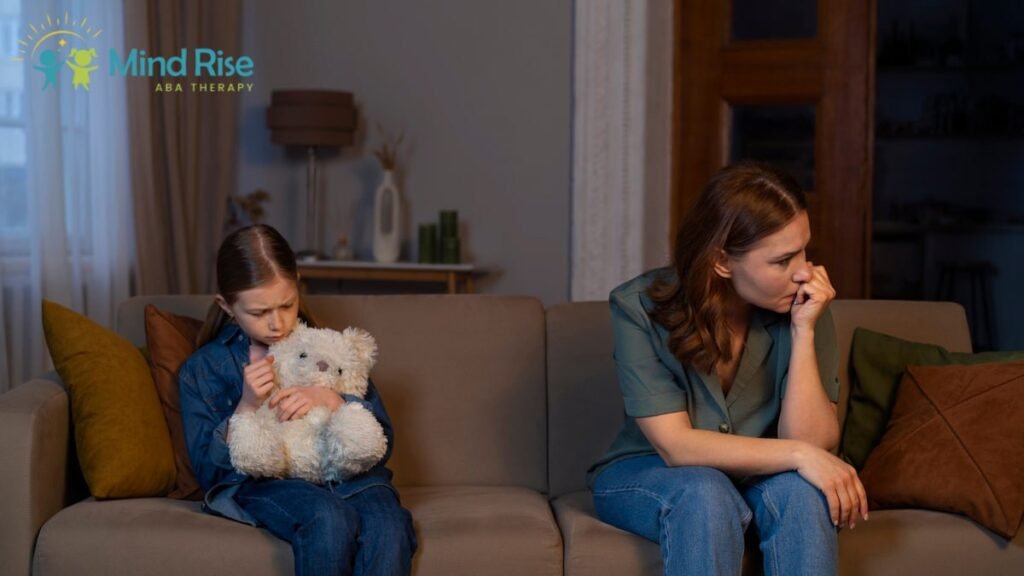
Children and adolescents who engage in autistic camouflaging kids adopt behaviors aimed at appearing more neurotypical. Autistic masking in children may include forcing eye contact, suppressing stimming or repetitive behaviors, imitating peers’ speech or gestures, or using rehearsed social scripts.
Masking often develops in response to social pressure, stigma, or exclusion. Children may learn through peer feedback, parental expectations, or school environments that some behaviors are unacceptable or viewed as “different.” As a result they adapt, sometimes subconsciously, to blend in.
Often, masking begins early in childhood and may become automatic with time.
The Early Masking Signs in Autism
Identifying masking is not always easy because the child may seem “fine” in public or at school. However several patterns tend to indicate masking behavior:
- Appears calm, quiet, well-behaved at school but becomes emotionally overwhelmed at home (meltdowns, shutdowns)
- Seems socially competent, uses fluent speech, smiles, mimics peers, but reports exhaustion, anxiety, or sensory overload afterward
- Suppresses natural behaviors (stimming, rocking, fidgeting), even if these help them self-regulate
- Appears perfectionistic, overly concerned with “doing things right,” reluctant to ask for help, or afraid to stand out
- Uses rehearsed or scripted speech, practices social responses or mirrors peers’ tone and gestures to mimic typical social behavior
Because masking is often learned and reinforced over time, by the time parents notice, their child may have already been masking for years. In one study even children aged 10–14 described masking as “stressful, confusing, and tiring.”
The Emotional Toll: Why Masking Can Harm Mental Health
While masking may help a child survive social settings, it comes at considerable emotional and cognitive cost. Sustaining a façade consumes mental and emotional energy and often leaves no time or capacity for authentic self-expression or self-regulation.
Research involving autistic children and adolescents found that frequent camouflaging predicts increased internalizing symptoms, such as anxiety, depression, and somatic complaints, even when accounting for age, gender, and cognitive ability.
Another qualitative study reported that children who masked described internal conflict, stress, and need for extensive downtime to recover. Masking was often automatic and pervasive, not just occasional.
Long-term consequences may include:
- Emotional burnout, fatigue, mood instability, or shutdowns when the child finally “lets the mask down.”
- Loss of self-identity or sense of authenticity, especially if the child suppresses their special interests, sensory needs, or natural behaviors.
- Increased risk of mental health issues such as low self-esteem, depression, or suicidal ideation, particularly in unrecognized or unsupported children.
- Delayed or missed autism diagnosis because behaviors are masked, leading to lack of appropriate support and understanding.
Why Masking is Especially Common in Certain Children
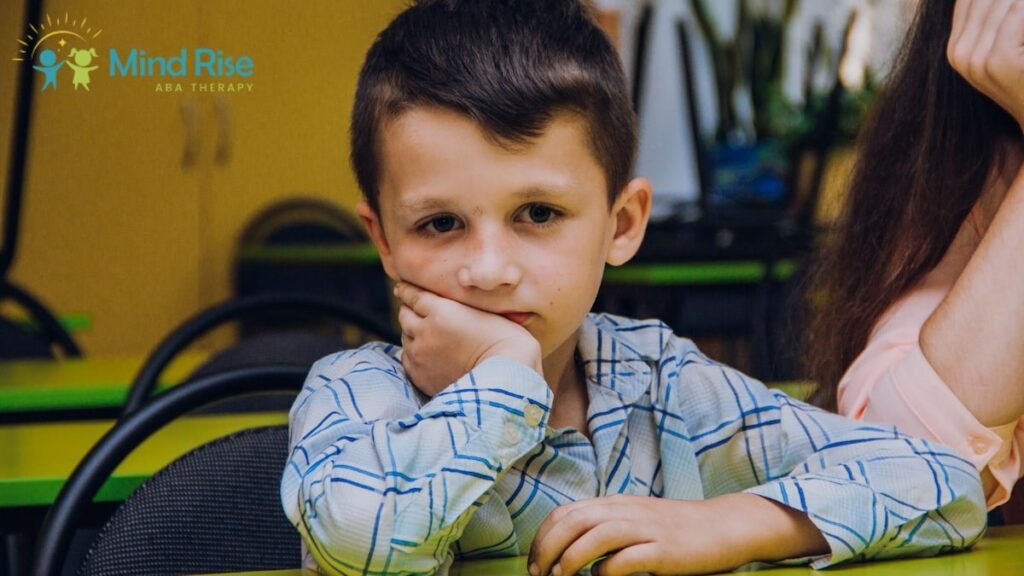
Masking does not affect all autistic children equally. Several factors influence how likely a child is to camouflage:
- Social pressure and stigma: In environments where neurotypical norms are strongly enforced, children may feel compelled to fit in at the expense of their comfort.
- Gender: Studies have noted that masking is especially prevalent among girls and individuals assigned female at birth, often leading to underdiagnosis because their coping makes them appear less “typically autistic.”
- Desire for acceptance: Children longing for friendships, belonging, or approval may adopt masking as a social survival strategy..
- Learned behavior over time: As children observe peers and feedback from adults, they may unconsciously internalize neurotypical social norms and automatically mask.
How Parents Can Help: Encouraging Safe Unmasking and Emotional Wellbeing
Parents play a critical role in helping a child navigate the challenges of masking. Here are practical, compassionate strategies to support a child who may be hiding autism traits:
Create safe, low-pressure environments
Make home a “judgement-free zone” where the child can relax without having to perform socially. Allow stimming, sensory regulation, rocking, fidget toys, comforting routines, even if this behavior feels different.
Schedule regular downtime
After a busy or socially demanding day, set aside time for decompression: quiet, familiar, sensory-friendly activities. Recognize that social interactions may drain a child’s energy.
Encourage emotional expression and acceptance
Validate the child’s feelings. Encourage them to express frustration, sensory discomfort, or emotional overwhelm without fear of judgment. Help them understand that their feelings are real and worthy of attention.
Support their natural interests and identity
Encourage special interests or hobbies, even if they seem unusual. Let the child know it is okay to be themselves. Celebrate their passions and uniqueness rather than suppress them to fit in.
Collaborate with school or community
If possible, work with teachers or caregivers to provide structured opportunities for the child to “unmask”: moments when they can be more relaxed or use sensory tools, behavioral accommodations, or quiet time. Families exploring different therapy environments can learn more about clinic vs. in-home ABA therapy options.
Model empathy and acceptance
Foster an environment of understanding among siblings, peers, and extended family. Teach acceptance of neurodiversity and reinforce that being different is not wrong.
When to Seek Professional Guidance

If masking is accompanied by persistent anxiety, depression, self-esteem issues, repeated meltdowns, or social withdrawal, seeking professional support may help. A trained clinician familiar with autism who recognizes masking can provide guidance.
Early intervention, including behavioral support, sensory strategies, and social-emotional learning, can help mitigate long-term harm. It is important that any support approach respects the child’s identity rather than pressuring them to conform socially.
Frequently Asked Questions
What differentiates masking from normal childhood behavior changes?
Typical development involves gradual social learning. Masking involves suppressing innate behaviors (like stimming or sensory reactions) and consciously mimicking peers to conceal discomfort or difference.
Can masking cause autism to go undiagnosed?
Yes. When children successfully camouflage their autism traits, especially in social settings such as school, autism may remain undetected or be diagnosed later than optimal.
Is it possible to reduce masking while protecting a child’s social acceptance?
Yes. By creating safe, accepting environments at home and collaborating with school to allow flexibility, children can express their true selves, reducing the need to hide traits while maintaining social participation.
Support Your Child With ABA That Reduces Masking and Builds Genuine Confidence
ABA therapy services at Mind Rise ABA help families understand why children mask autistic traits and how to replace that pressure with real communication skills and emotional safety.
Our therapists follow BCBA guidance closely, adjust support in the moment, and record every response so parents can see how authentic behaviors strengthen week by week. This approach is especially helpful for children who hide their struggles in school, copy peers to avoid standing out, or come home exhausted from holding everything in.
Families receive a clear plan, consistent parent coaching, and practical tools that make daily routines easier. Contact us to begin ABA therapy so your child can rely less on masking and more on skills that feel natural and comfortable.